From Talk to Action: What We Heard at the My Green Lab Europe Summit
For years, sustainability in life sciences has been defined by ambition.
Targets.
Commitments.
Frameworks.
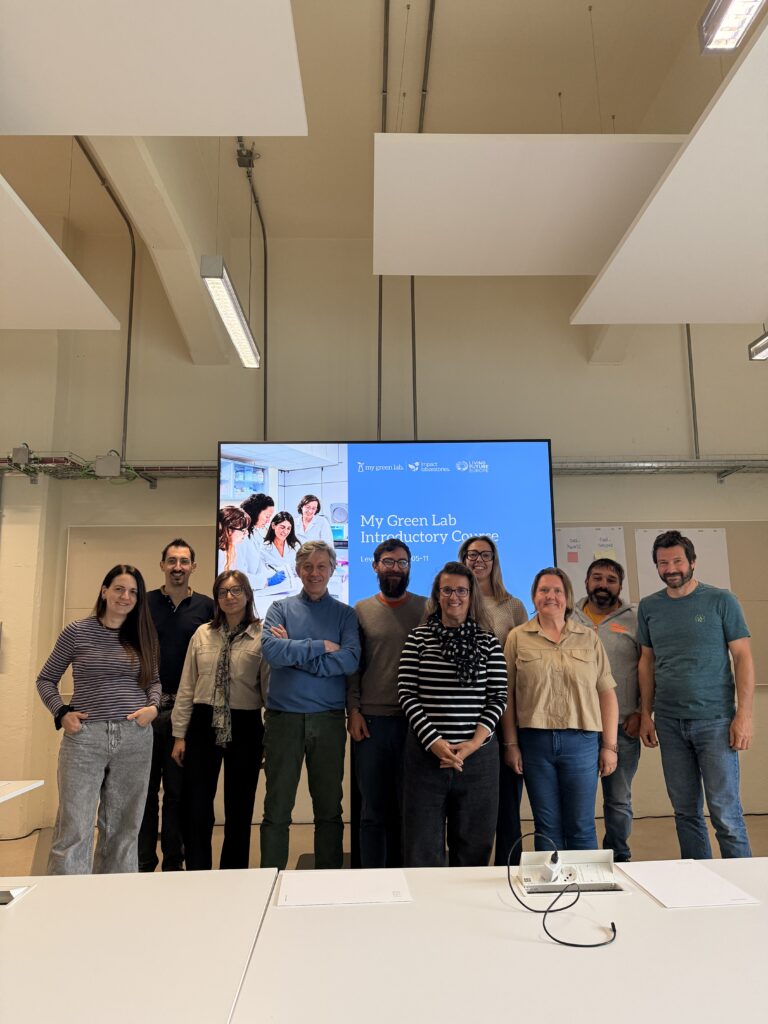
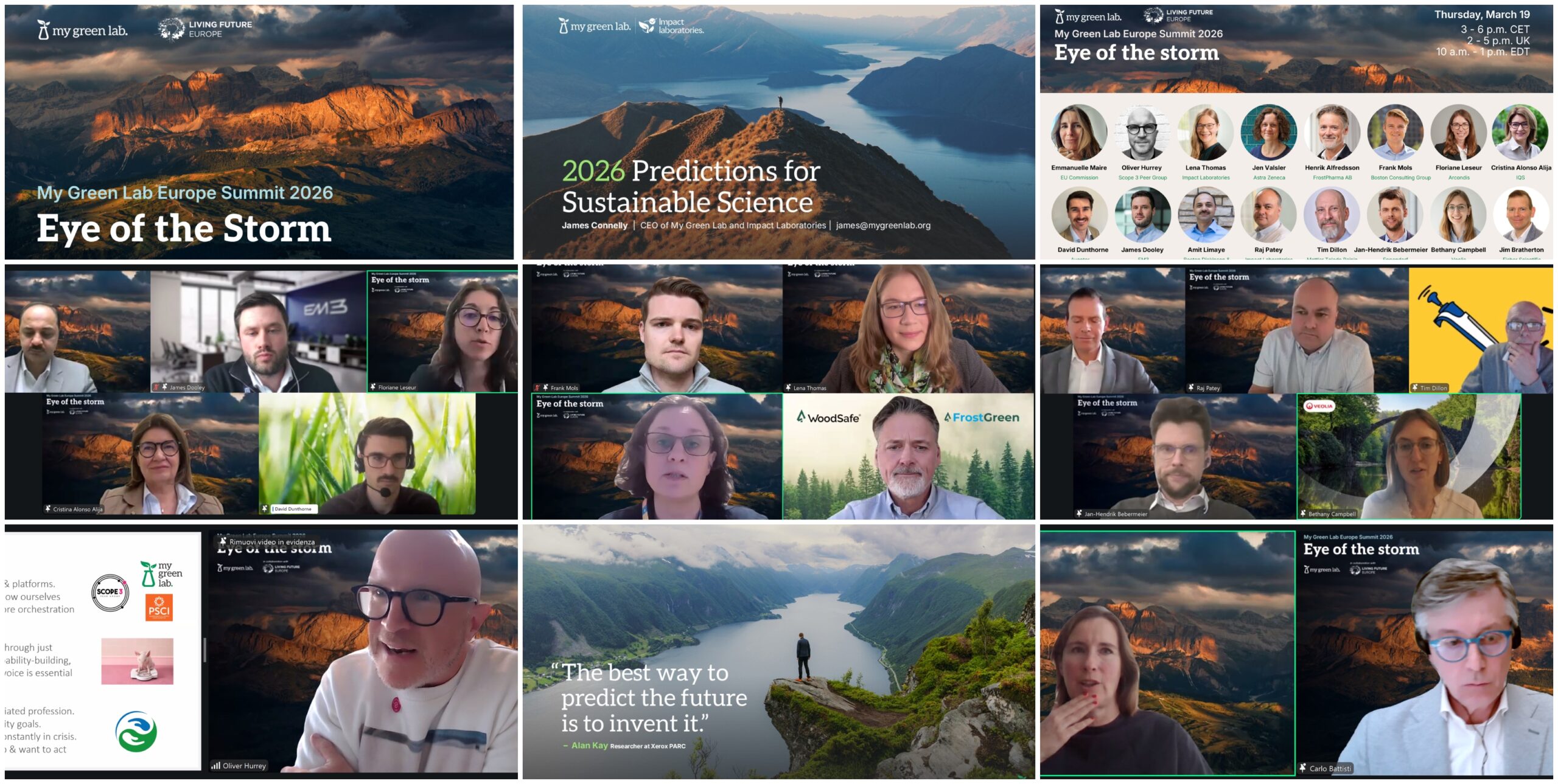
But at the My Green Lab Europe Summit, which brought together nearly 1,000 participants across Europe and beyond, one message came through clearly:
The conversation is changing.
We are entering a new phase — one where sustainability is no longer primarily about what we aim to do, but about how we actually operate.

A shift driven by policy — but not limited to compliance
One of the strongest signals came from the European policy perspective.
Initiatives around circular economy, sustainable materials, and the bioeconomy are no longer abstract directions of travel. They are beginning to shape real expectations for how products are designed, how materials are used, and how supply chains function.
For laboratories and life science companies, this means sustainability is becoming embedded in:
- product development
- procurement decisions
- infrastructure and operations
Importantly, this is not simply about “more regulation.”
It is about creating the conditions for a different kind of market, where environmental performance becomes increasingly visible, measurable, and comparable.
Scope 3: from measurement to action
If there was one area where the gap between ambition and reality is most visible, it is Scope 3 emissions.
Most organisations have made significant progress in measuring their value chain impact. But the Summit discussions highlighted a shared challenge:
Measurement is not the same as reduction.
With the majority of emissions sitting outside direct operations, meaningful progress depends on something far more complex — coordinated action across supply chains.
This is where procurement emerges as a critical, and often underutilised, lever.
No longer just a transactional function, procurement is increasingly positioned at the centre of sustainability transformation — influencing supplier engagement, product choices, and ultimately, emissions outcomes.

From fragmented initiatives to coordinated systems
Another theme running through the discussions was fragmentation.
Across the sector, multiple frameworks, platforms, and initiatives have helped build awareness and capability. But they have also introduced complexity — particularly for suppliers navigating inconsistent expectations.
The direction of travel is becoming clearer:
- greater alignment across organisations
- more consistent signals to suppliers
- and a shift toward shared approaches that enable scale
The operational challenge ahead
What does all of this mean in practice?
Perhaps the most important takeaway from the Summit is this:
Sustainability in life sciences is becoming operational.
It is moving into:
- day-to-day lab practices
- purchasing decisions
- equipment and infrastructure choices
- supplier relationships
This transition is not simple. It requires balancing environmental goals with scientific integrity, safety, and performance — a tension that must remain central.
But it also represents a significant opportunity.
Because the organisations that succeed in this next phase will not be those with the most ambitious commitments, but those most capable of translating them into how science is actually done.

If the Summit made one thing clear, it is this:
The question is no longer whether sustainability matters in science.
It is how quickly — and how effectively — we can implement it.
Missed it (or want to rewatch)?
Recordings will be available — register here to access them.