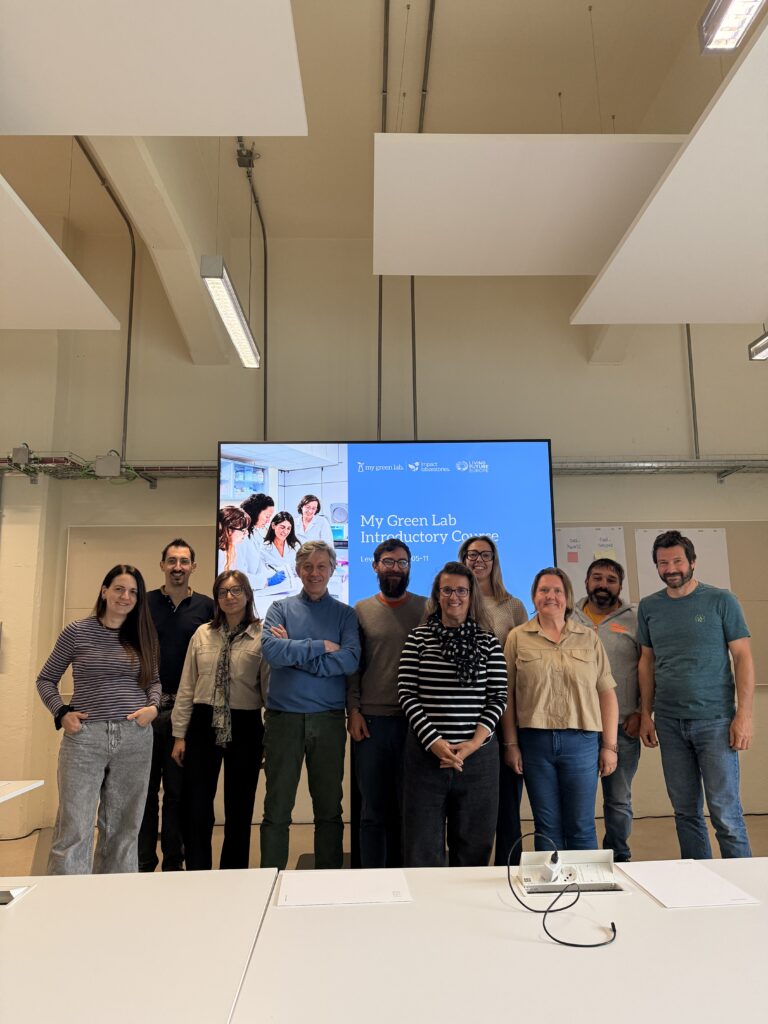
At the halfway mark of the Living Future Europe 2026 Masterclass – Regenerative Design in Practice, one thing is becoming clear: this is not just a course — it is a shift in how practitioners think, design, and act.
Over the first five units, participants have moved from regenerative mindset and place-based thinking into the core technical and cultural challenges of delivering regenerative buildings in Europe.
A recurring insight? Regenerative design is not one discipline — it is a systems integration challenge.
From Place to Water: designing within living systems
Early units focused on reconnecting projects to ecosystem services and place conditions, pushing beyond building-centric thinking.

Designing “within the limits of a site” is proving both powerful and difficult — requiring new collaborations with ecologists, hydrologists, and local stakeholders.
The Water unit made this tangible:
- moving from efficiency → self-sufficiency
- from drainage → closed-loop water cycles
- from building scale → site and neighbourhood systems
Nature-based solutions emerged as essential — yet still facing cultural and regulatory barriers, not just technical ones.

Energy & Carbon: beyond net zero, into system responsibility
With the Energy + Carbon unit, the conversation deepened:
- performance must be measured, not modelled
- embodied carbon is often more impactful than operational energy
- “net positive” requires radical material and design choices, not just offsets
Participants explored real trade-offs:
- carbon vs cost
- efficiency vs materials
- building vs system scale
There is no universal answer — only context-specific optimisation.

Health & Happiness: the missing link in sustainability
The latest unit brought a critical shift:
human health as a central design driver, not a co-benefit.
From circadian rhythms to indoor air quality, discussions highlighted a major gap:
- we design for compliance
- but rarely for actual human performance and wellbeing
Post-occupancy evaluation and long-term monitoring emerged as essential — yet still rarely implemented.

Learning by doing (and questioning)
What sets this Masterclass apart is its structure:
- weekly live workshops
- project-based learning
- peer exchange across countries and disciplines
Participants are not just learning frameworks — they are testing feasibility, mapping barriers, and applying regenerative principles to real projects.
What’s next
The second half will tackle:
materials, equity, beauty, and the financial case —
arguably the hardest part: making regeneration viable at scale.
If the first half taught us anything, it’s this: the business case exists — but only if we expand what we mean by “value.”