Transition tools to a Living Future in London
After an intense two days in London for our third in a row London Build Expo participation, we had a great immersive experience at the always engaging Design Museum, which features until among the others (until August 2026) a great display on four research projects, from across the UK that are driving change in housing, healthcare, local planning and resource management. And we discovered so many points of connection with the work we do at LFE!
The exhibition is divided into 4 sections.

Design HOPES
Funded by Arts and Humanities Research Council (AHRC), Design HOPES is a design-led research initiative collaboratively working between five Scottish Universities, NHS Scotland, the third sector, and design organisations.
As the climate emergency is a health emergency, Design HOPES is creating, prototyping and testing the tools, behaviours and systems needed for NHS Scotland to meet, and move beyond, urgent Net Zero goals and create a sustainable health and social care system.
This is very much aligned with the incredible work our long time investor & partner My Green Lab is doing, through a series of frameworks, tools, and initiatives, including the My Green Lab® Certification, ACT® Ecolabel, the Ambassador Program, the Accredited Professionals Program and many others.
Future Island-Island
This section focuses on Rathlin island – a picturesque island off Northern Ireland’s Causeway Coastal Route – and its efforts to safeguard its community’s future. Drawing on local knowledge and expertise, researchers are advancing circular approaches to waste – helping the island build resilience and self-sufficiency.
With the motto ‘No island is an island’ the AHRC funded project is exploring innovative design and digital technologies to valorise waste as a commodity, develop sustainable tourism practices, and envision new possibilities for education and policy-making that will benefit everyone.
Circular economy is at the core of Living Future programs, the Living Building Challenge framework first, but not only. The Net Positive Waste imperative I16 in LBC intent is to integrate waste reduction into all phases of projects and to encourage imaginative reuse of salvaged “waste” materials.
Transforming Homes
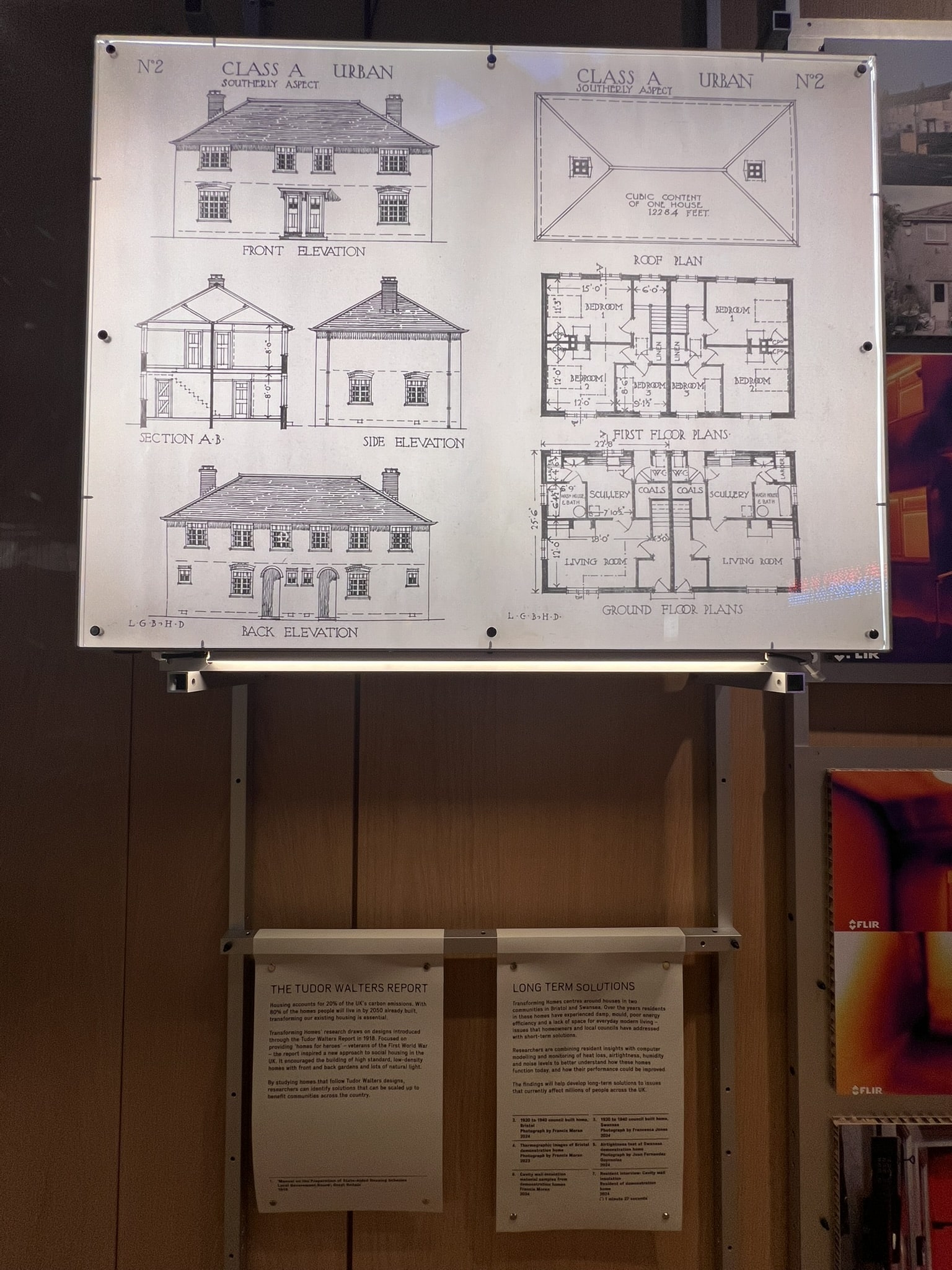
The section takes us into nine council-built houses in Bristol and Swansea – each of which is undergoing a major transformation. Incorporating bio-based materials, harnessing renewable energy and designing more liveable spaces, researchers are testing ways to future-proof our homes and address the UK’s housing crisis.
The project, funded by AHRC, is initially focusing its research on the 1.4 million 1920 to 1940 low-rise council-built housing in the UK. The transformation involves designing, modelling, testing, implementing, and monitoring innovative solutions.
The approach resonates greatly with the Living Future’s work on affordable housing through the Affordable Housing Framework, a set of building strategies for creating sustainable, healthy, and affordable multi-family housing. It focuses on overcoming barriers to implementing “deep green” technologies by promoting energy efficiency, responsible material selection, healthy indoor environments, and integration into the community.
Public Map Platform
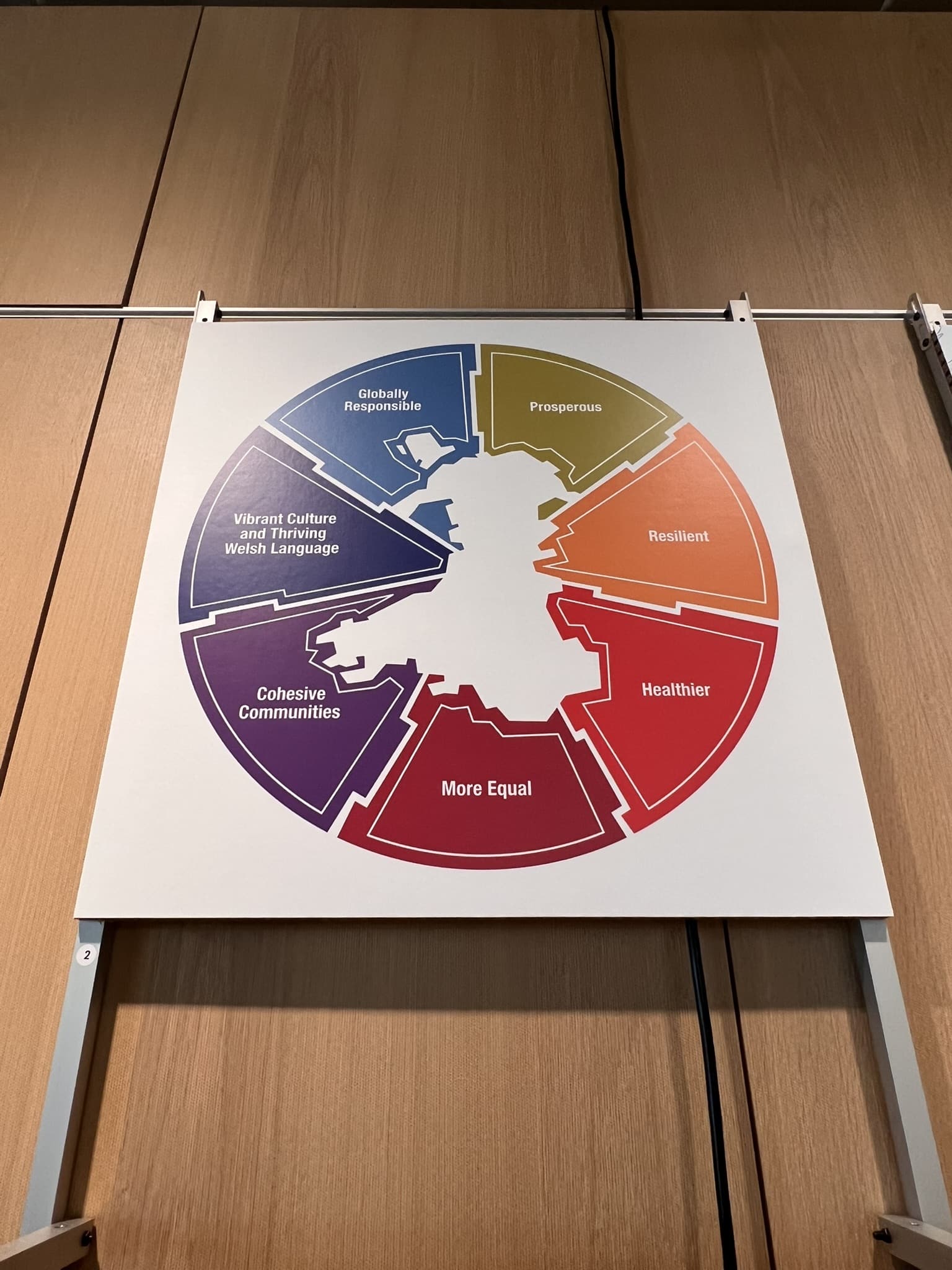
The display ends in Ynys Môn where the processes for planning and development decisions are being rethought. By engaging with young people and gathering different types of data – environmental, social and cultural – researchers are developing a new kind of map which prioritises the cares and concerns of future generations.
Public Map Platform is a two-year research initiative led by Cambridge University to make places in the UK better for the people who live there. It uses open mapping processes to enable communities to show what’s important to them, and to have a voice in how their spaces are designed and developed.
This approach is very close to the participatory process LFE has been implementing with 7 cities across 7 countries in Europe through the Eyes Hearts Hands Urban Revolution (EHHUR) project just ended, an inclusive, aesthetically beautiful, and sustainable transformation of contextually heterogeneous city landscapes in Europe, part of the New European Bauhaus (NEB) initiative, a creative and interdisciplinary movement promoted by the EU that connects the European Green Deal to our living spaces and experiences.